

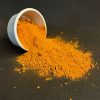


Powdered logwood is used as a natural dye to colour textiles in shades ranging from purple to grey and black. This valued historical dye comes from Central America and the Bay of Campeche in Mexico. Logwood was highly sought after in the 17th century because it produced deep, rich blacks and purples that were difficult and expensive to achieve with other European dyestuffs.
The dye is produced from the dense heartwood of the logwood tree (Haematoxylum campechianum) and made into a powder to make it easier to extract the purple colour. Less WOF is required for logwood powder (as opposed to Logwood chips) but will still contain some debris from the bark. It is recommended that the dye solution is filtered before use. Logwood extract, is an alternative option because the powder is completely soluble (see “You may also like” link below).
Dye your item multiple times to build colour intensity. Doubling the amount of alum in your mordant solution helps achieve deeper tones. Use 10g of cream of tartar to soften the fibres and brighten the colours. Experiment with other mordants and tannins, such as an iron after-treatment, to reach different shades including black.
 Important Natural Dyeing Tips - Mordants

Most natural fibres can be dyed using natural dyes. Some natural dyes can be used without a mordant, while others benefit from mordanting to improve colourfastness and help achieve particular shades.
Wool and silk are commonly mordanted with alum, while cellulose fibres such as cotton and linen should be mordanted using aluminium lactate. Another method is to prepare cellulose fibres with a tannin solution followed by an alum mordant. This age-old technique can sometimes affect the final colour of the natural dye through the colour absorbed during the tannin soak – a side effect that may be desirable.
Mordants are also used to modify colours using an after-treatment of iron, copper or tin mordant; these will each shift the original natural dye colour.
Whether you’re dyeing wool, silk, cotton or linen, natural dyes offer a wonderfully varied range of colours and effects, and many factors can affect the results. You can find answers to the following questions in our Blog post A Practical Guide to Natural Dyeing – How to Get the Best from Natural Dyes:
- Why do I need a mordant and how do mordants work?
- What is the method for mordanting protein fibres?
- What is the method for mordanting cellulose fibres?
- How much natural dye should I use?
- What colours will I get from my natural dyes?
- How do I modify or shift colours from natural dyes?


