

With such a large range of materials available to artists it can sometimes be difficult to know where to start. There is a huge choice of watercolour papers on offer and the artist will usually settle on a brand after some experimentation.

The highest quality paper is made from 100% cotton. However a combination of cotton and cellulose pulp will produce an adequate and economical watercolour paper. During the papermaking process the pulp is treated to neutralise acid, ensuring the paper does not deteriorate over time.
The thickness or paper weight is described in lbs or gsm (grams per square metre). Weights range from 90lb (190gsm) up to 300lb (638gsm). The lighter weight papers typically need to be stretched prior to use to prevent buckling or warping when the paint is applied.
There are 3 finishes for watercolour paper and board.
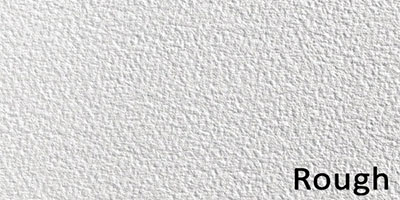
‘Rough’ has a textured surface with a prominent tooth. The pigments from watercolour paints collect in the indentations to create a grainy effect called granulation. Rough paper is made by pressing the paper pulp against heavily textured felt during the drying process

‘Cold pressed’ paper has a slightly textured surface made by passing the paper through cold metal rollers. It is more absorbent than smooth hot pressed paper, but less so than rough surfaced paper. It is the most popular surface for watercolour artists. Cold pressed paper is sometimes referred to as NOT; this name is derived from the term ‘not hot pressed’.

‘Hot-pressed’ watercolour paper has a smooth surface with a fine grain. The fibres in the paper are flattened between heated rollers to compact the surface.
Hot pressed paper is good for applying washes as the paint dries quickly and evenly. The paper is suitable for watercolour, fine print making and detailed illustration.
Now browse the range of watercolour paper available from George Weil!