

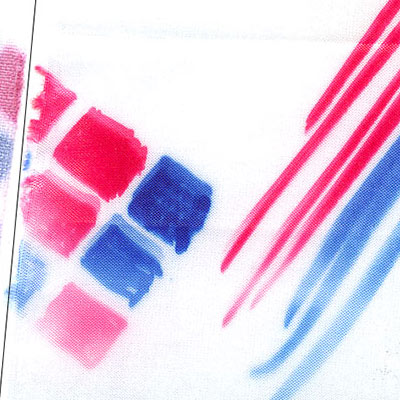
Disperse dye can be used with various techniques and will readily colour synthetics such as polyester, nylon, cellulose acetate, vilene, viscose, synthetic velvets and PVC. They can also be used to colour plastic buttons and fastenings. Their effect is less potent on polyester, due to the molecular structure, allowing only pastel through to medium shades. […]
Category Archives: Dyes & Dyeing

18
Jun
Jun
What is Wax-Out! Wax-Out! offers an alternative solution to removing wax from finished Batik items. It is a mix of products which, individually, are already in commercial use in the textile industry for removing oils and waxes from fibres, yarn and fabrics. These contaminants arise both as from the original raw materials, wax in cotton […]

16
Jun
Jun
Acid dyes produce bright, intense colours and are ideal for silk painting. The simplest method is to use pre-mixed liquid silk colours such as Dupont Steam Fix Dyes or Jacquard Silk Colours, as silk painters can rely on the consistency of colour results. The most cost effective however, and with more opportunities to develop your […]

11
Jun
Jun
There are a range of printing inks which have been developed specifically for printing on silk screens, including the Selectasine Screen Printing System. It is also possible to use commercial dyes combined with a thickener, making the consistency similar to syrup. Silk Screen printing with Fibre Reactive Procion MX dyes Fibre Reactive Procion MX dyes […]
10
Jun
Jun
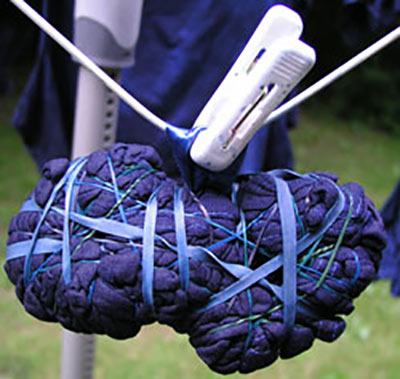
Shibori, the ancient Japanese technique of fabric folding and dyeing has been brought right up to date. Traditionally indigo was used to create patterning. However, using modern dyes, discharge agents and fabrics you can easily develop complex patterns. Tying and clamping, dyeing and discharging, re-dyeing and heat setting the fabric creates a new and visually […]
10
Jun
Jun
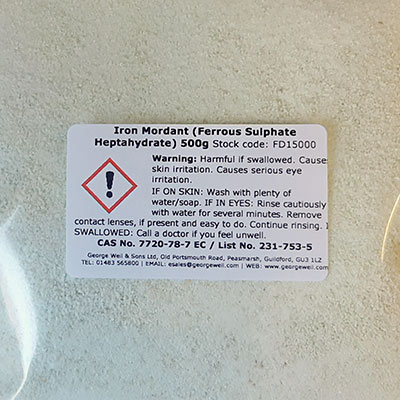
There are a number of ways to create rust patterns on cotton and silk fabric and here is a simple controlled method. Natural fibres take the rust colours better than synthetic fibres and fabrics should be free from oils or starches. Prepare your fabric by rinsing in a solution of synthrapol and water (half a […]

10
Jun
Jun
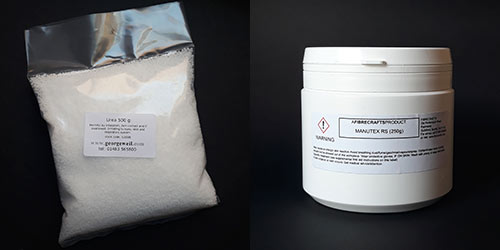
Although Acid dyes are usually recommended for protein fibres, Procion MX fibre-reactive dyes can also be used successfully on wool and other protein fibres. Unlike cotton, wool contains amino groups that react with fibre-reactive dyes under acidic conditions. Although the reaction differs from that on cellulose fibres, the resulting colours are generally washfast and lightfast. […]
10
Jun
Jun
Procion MX dyes are suitable for printing on cotton, linen and viscose rayon. They have excellent colour fastness, provided they are set using soda ash. The results are less vibrant when used on silk fabric and we recommend you use Acid dyes, see our printing with Acid dyes page. Procion MX dyes are very reactive […]

09
Jun
Jun
It is possible to achieve excellent levels of colour fastness when colouring the silk with Acid dyes, making the dyed silk fabric ideal for clothes, linings, and wall hangings. The silk scarf below was painted by Katherine Barney using the Dupont Steam-Fix Acid dyes. A similar technique can be used on fine wool and fabric. […]
05
Jun
Jun
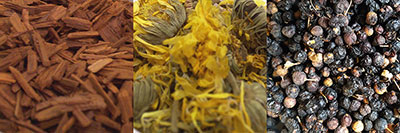
What are Natural Dyes? Natural dyes are derived from naturally occurring sources such as plants, minerals and invertebrates and used to add colour to textiles and paper. The dyes tend to fall into one of three types, mineral, substantive or adjective. The type of natural dye will determine if a mordant needs to be used. […]