


Pat Hodge bought her spinning wheel from Fibrecrafts in September 2002 and set about learning to spin under expert tuition from Phyllis Funnell. Here she proudly shows off her hand-knitted sweater made from the yarn she has spun from Jacob and Shetland fibres. Well done Pat!
Category Archives: Spinning

12
May
May
Phyllis Funnell sports her Moebius scarf knitted from a pattern in the ‘Treasury of Magical Knitting’. She hand spun the super soft yarn from grey Alpaca. In hindsight, we should have taken more photos of this lovely lace knitted scarf but we are delighted to have a photo of the modest Phyllis at last! Both […]

08
May
May
Chrissie Shepherd hand crafted this handbag by first hand spinning a selection of dyed merino wool tops (drafting the colours at random to create the variation in colour). She then knitted a rectangle before felting it. Once it was felted, Chrissie folded over two fifths of the fabric and stitched the sides. The remaining fifth […]

08
May
May
Defining how you will use your Spinning Wheel is the key to a successful choice. The three main pointers are discussed in general terms below. First, decide on how much travelling the spinning wheel will do. Is it being carried around and taken by car and by air? Consider also whether the wheel will be […]

01
May
May
Many types of spinning wheels have developed over the centuries which can produce a yarn efficiently from local fibres. Historically a great many configurations of spinning wheel and flyer have been developed, and some of these are still available from craftsmen wheel makers. The common layouts are shown below along with comments on their strengths […]

01
May
May
The transformation of fibre into a yarn is a very satisfying process. Once the techniques have been mastered, it is very gratifying to watch a yarn form on the hand spindle or spinning wheel bobbin. There is an abundance of information available for beginners. The Association of Guilds of Weavers, Spinners and Dyers is an […]
25
Jan
Jan
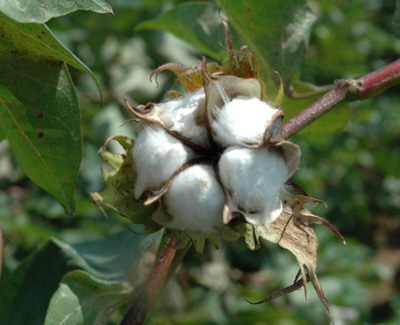
Fibres derived from plants are also known as cellulose fibres (except for Soybean which is a protein fibre, see below). These cellulose fibres are used in spinning and papermaking (using both the traditional technique and the silk papermaking technique), 3d embroidery techniques and feltmaking when combined with wool fibres or worked with a felting needle. […]

18
Dec
Dec
We’re often asked to recommend a book about specific crafts featured on the George Weil website. Anne Field‘s ‘Learn to Spin’ ticks all the boxes when it comes to learning everything you need to know about spinning a fibre to create a yarn. With easy-to-follow, step-by-step directions, Anne guides the novice spinner through all they […]

12
Oct
Oct
The Ashford Fringe Twister has been designed to make light work of making twisted fringe for handwoven garments, knitted scarves or for needle work projects – the finishing touch to your handmade items. You can also use the finge twister to create corded cotton, or to twist sliver prior to felting it. Features There are […]

03
Jul
Jul
To spin a light and lofty yarn, fibres should be carded before spinning them. The spinning fibres sold on this website are pre-carded and ready for spinning but you may be lucky enough to have obtained raw fleece which you have washed (scoured) and prepared ready carding. Here we focus on the Louet Junior Drum […]