


Angelina fibres are very versatile and can be used in a number of ways. The iridescent Angelina fibre is very soft can be fused together to make sheets of web-like paper, angel wings, incorporated into other fibres for needle felting or spinning into a yarn, or moulded into a 3-dimensional shape. Customer Jean Rogers created […]
Category Archives: Fibres

01
May
May
The transformation of fibre into a yarn is a very satisfying process. Once the techniques have been mastered, it is very gratifying to watch a yarn form on the hand spindle or spinning wheel bobbin. There is an abundance of information available for beginners. The Association of Guilds of Weavers, Spinners and Dyers is an […]

29
Apr
Apr
Here we have discovered a fun and simple way to bind the heat bondable Angelina fibres into a three-dimensional shape. The fibres need only a very small amount of indirect heat to make them fuse, in this instance, boiling water is involved so please take care! Please note, this project is not suitable for children as […]
25
Jan
Jan
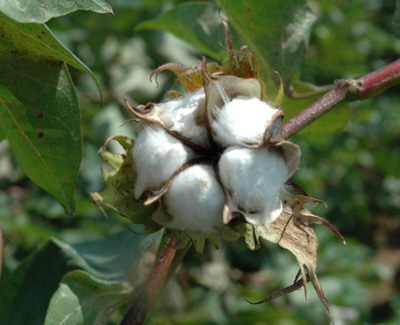
Fibres derived from plants are also known as cellulose fibres (except for Soybean which is a protein fibre, see below). These cellulose fibres are used in spinning and papermaking (using both the traditional technique and the silk papermaking technique), 3d embroidery techniques and feltmaking when combined with wool fibres or worked with a felting needle. […]

03
Jul
Jul
To spin a light and lofty yarn, fibres should be carded before spinning them. The spinning fibres sold on this website are pre-carded and ready for spinning but you may be lucky enough to have obtained raw fleece which you have washed (scoured) and prepared ready carding. Here we focus on the Louet Junior Drum […]
05
Apr
Apr
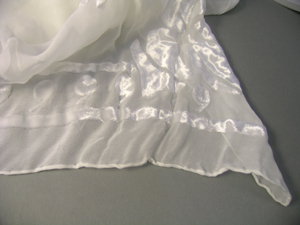
Learn how to devore fabric with Fiber Etch Fibre Remover. Fibre Etch dissolves cellulose plant fibres but does not affect protein animal fibres. It can be applied freehand, using a stencil, or in screen printing. You can create devore (from the French devorer – meaning to devour) by using a devorant paste on a mixed […]

19
Mar
Mar
When I walked into the warehouse this morning with Sharon’s cup of tea, I couldn’t resist coming back with the camera to photograph this assortment of coloured wool tops. Merino Wool Sharon was in the process of collating together the wool tops into a 1kg mixed bag of light colours. There are nine colours in […]

15
Feb
Feb
You may remember our item about Felt Wrapped Soap and the lovely Merino wool and silk blend we used. Impatient as always, I decided to unwrap the soap before it had all been used. After carefully cutting open the package at one end I found that the fibre had not felted quite as much as […]
14
Feb
Feb
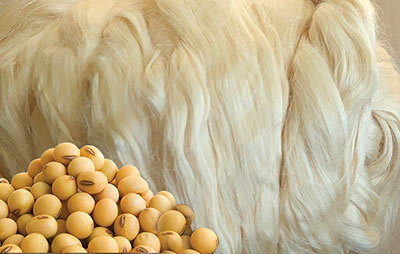
Soya Bean Fibre The fibre has a delicate shine and a creamy yellow colour and is very similar to tussah silk. It is commonly referred to as “silk for vegans”. Soya bean fibre is exceptionally soft and often compared to silk and cashmere. It has a natural lustre and produces yarns with a fluid drape […]

07
Dec
Dec
Evidence that wool has been used for clothing exists at The British Museum as far back as the Iron Age (800 BC – AD 50). There are a selection of combs carved from animal bone probably used to prepare the fibres and stone whorls which were used to weight the hand spindle. The wooden tools […]