


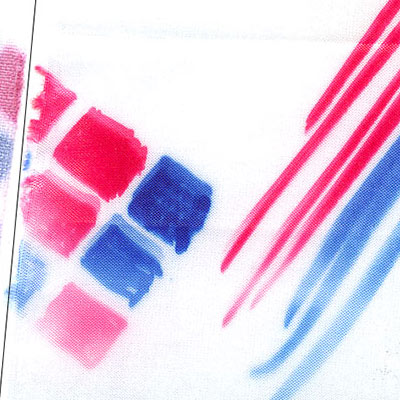
Transparent fabric paints are very effective when used to create sun prints. Here we demonstrate prints made using Jacquard Dye-na-flow and Deka Silk paints in the evening sunshine using leaves as the mask. Creating the Sun Print First make the fabric wet by spraying or brushing water across the surface and then apply the paint in […]
Category Archives: Printing

28
Jul
Jul
The glorious sunshine has given me a chance to use the Fibrecrafts Cyanotype Blue Printing Kit. Included in the kit are enough chemicals to make up to 1 litre of solution, a 1/2 metre each of silk and cotton fabric, and a step-by-step instruction leaflet. Cyanotype printing is a negative process – where light cannot […]
19
Jun
Jun
Disperse dye can be used with various techniques and will readily colour synthetics such as polyester, nylon, cellulose acetate, vilene, viscose, synthetic velvets and PVC. They can also be used to colour plastic buttons and fastenings. Their effect is less potent on polyester, due to the molecular structure, allowing only pastel through to medium shades. […]

09
Jun
Jun
It is possible to achieve excellent levels of colour fastness when colouring the silk with Acid dyes, making the dyed silk fabric ideal for clothes, linings, and wall hangings. The silk scarf below was painted by Katherine Barney using the Dupont Steam-Fix Acid dyes. A similar technique can be used on fine wool and fabric. […]
05
Jun
Jun
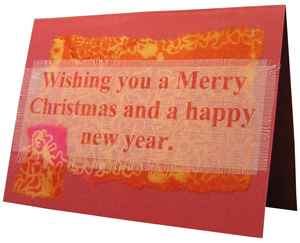
These paper-backed Organza fabric sheets can be used for printing on inkjet printers and copiers. They can be used to build up layers of printed text and photographs giving interest and depth in cardmaking, scrapbooking, montage, patchwork and 3d embroidery. You can use images from scanned photographs, digital cameras, web pages, clip art, paint and […]

28
May
May
What is a Cyanotype? Cyanotype Printing is a 19th-century camera-less photographic printing process that produces a distinctive, monochrome, Prussian blue-and-white image. Discovered in 1842 by Sir John Herschel, it is one of the earliest photographic techniques and is famous for being used to create “blueprints” for architectural and engineering plans. How to make Cyanotype Prints […]

28
May
May
The cotton material for Batik work requires a good finish, needs to be reasonably pliable and be able to accept the resist in order to prevent dye penetration. The Bleached Cotton, the Javanese Primissima and the Javanese Prima all meet this requirement. We recommend both the Primissima and Prima material for more detailed Batik work […]

18
May
May
Formosul or Formasol is the active component of Discharge Paste. Discharge Paste is used for removing areas of colour from dyed natural fabrics such as cotton, silk and viscose. Please note that some Procion MX fibre reactive dyes do not discharge and some give a simple colour change. It is therefore wise to test fabrics […]
10
Jun
Jun
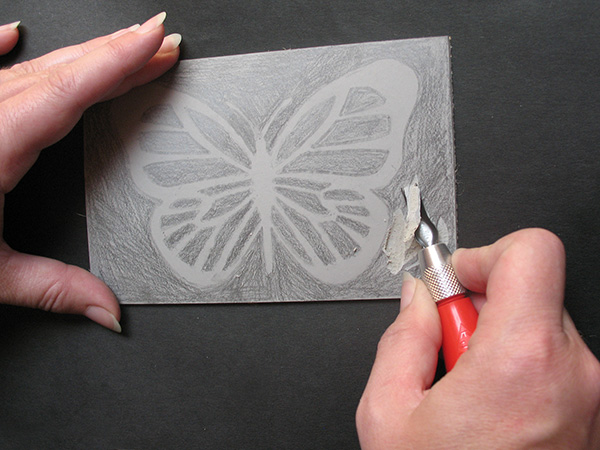
There are two types of lino cutters available from George Weil. The traditional lino cutter requires you to push the blade away from you in order to cut the block. It is important to keep your hands well away from the moving blade in case the blade should slip while cutting. The blades for the […]
10
Jun
Jun
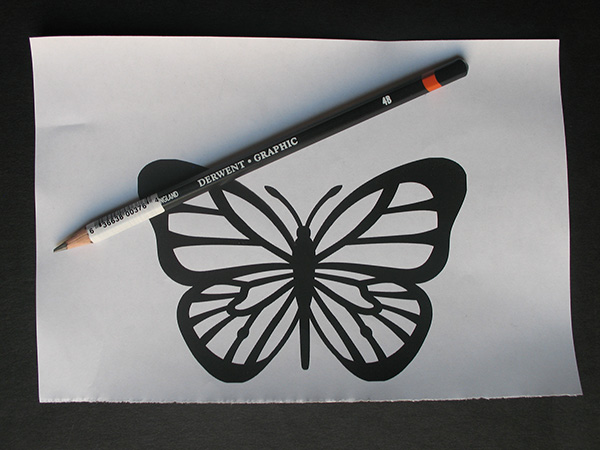
There are a number of techniques for transferring a design on to a lino block. Here is a simple method using a clip-art from your computer or an image from the internet. Using a soft lead pencil, draw a heavy outline around the image. The image above shows the reverse of the paper and the […]